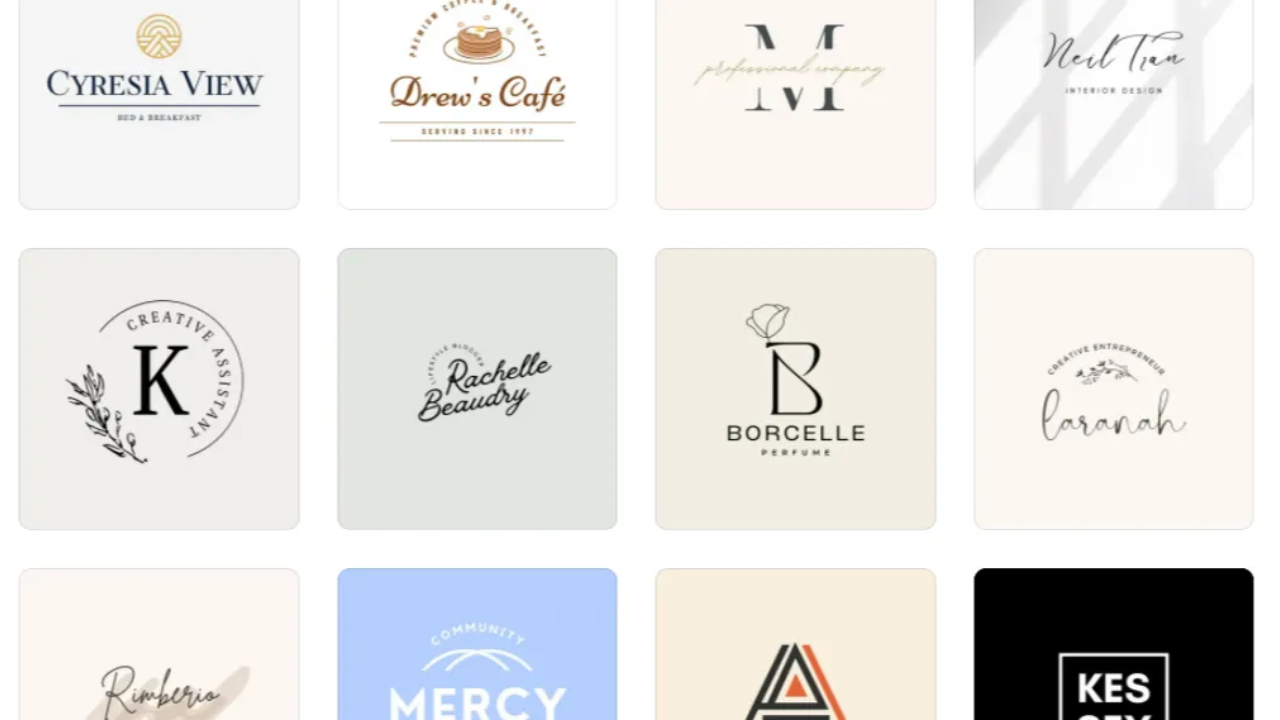
It’s quick. It’s easy. It looks the part.
You open Canva, choose a template, adjust a few colours, update the name, and download. Just like that, you have a logo. Or at least, it feels like you do.
But here’s what often gets overlooked.
When you create a logo in Canva, you are not purchasing ownership of that design. What you are granted is a non-exclusive licence to use the elements within it. In practical terms, that means the icon you selected can be used by others, the layout is not unique to your brand, and the font is available to countless other businesses.
At the early stages, this may not seem like an issue. A logo is simply a way to present your business professionally and get started.
However, over time, a logo becomes something far more significant.
It becomes a core business asset. It represents your reputation. It is what your customers begin to recognise and associate with your work. It is also something you may eventually wish to protect legally.
This is where the limitations become clear.
Canva’s terms state that their content cannot be used as part of a trademark, design mark, trade name, or business name. This includes stock elements, templates, and even fonts. As a result, if your logo relies on Canva assets, you do not hold exclusive rights to it, and you are unable to register it as a trademark.
The implication is straightforward. You cannot prevent another business from using similar elements, and you cannot fully secure your brand identity. In effect, you are building part of your business on assets you do not control.
This does not diminish the value of Canva as a tool. It is highly effective for getting started. It removes barriers, speeds up the process, and allows businesses to establish a presence quickly.
But there is an important distinction to be made.
Ease of use does not equate to ownership.
If you are in the early stages, Canva serves a purpose. It allows you to test ideas, gain visibility, and move forward without delay.
However, if you are building a business with long-term ambitions, one that you intend to grow, develop, and protect, your brand will eventually need to move beyond templates.
That means investing in original design, creating unique assets, and ensuring you hold full rights to your visual identity.
Because ultimately, ownership provides control.
A Canva logo can be a useful starting point. But it should not be mistaken for a long-term foundation. If your business is something you intend to build properly, your brand needs to be something that is truly yours.