When The Best Stop Scaling The Old Way
Jan 06, 2026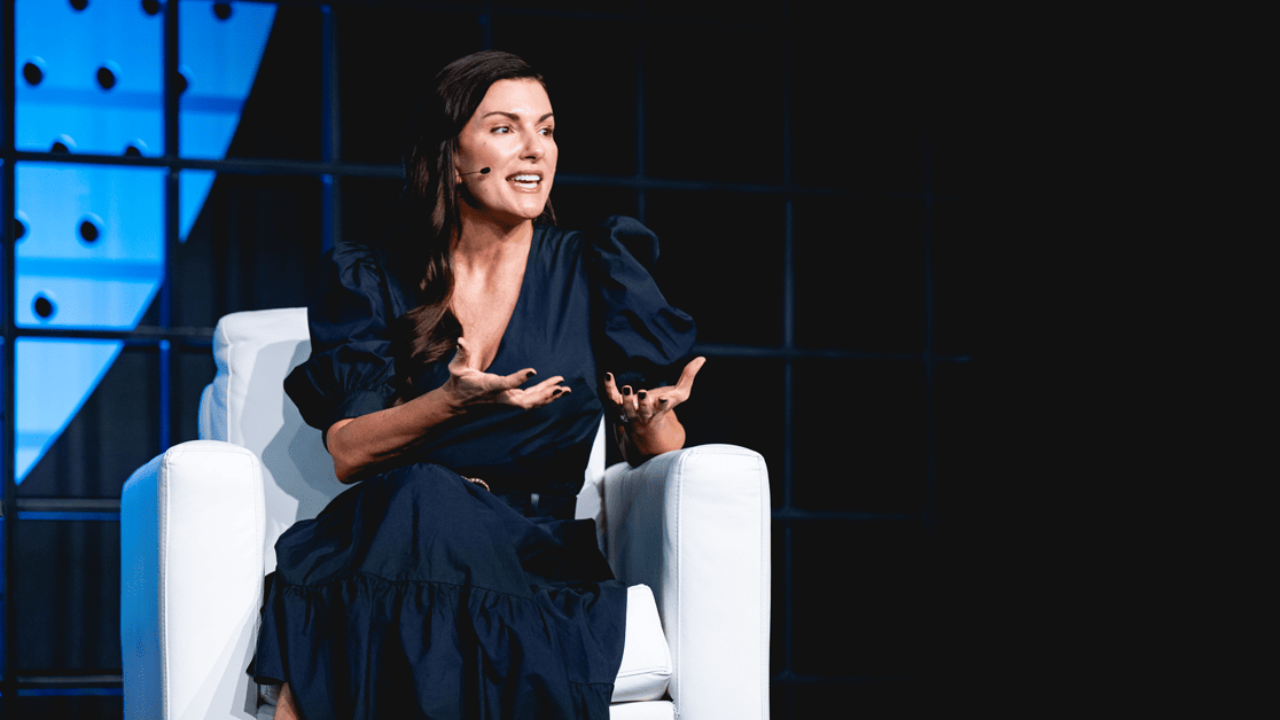
There’s a moment in every long-running business where momentum quietly turns into maintenance.
Nothing is broken.
Revenue is still strong.
The machine still works.
But it starts demanding more from you than it gives back.
This week, Amy Porterfield said the quiet part out loud.
After nearly a decade.
After serving more than 28,000 students.
After building a multi–million–dollar business.
She’s closing the door on new enrolments to her flagship course.
Not because courses don’t work.
They do.
Not because the business failed.
It didn’t.
But because the model has a ceiling.
The launch treadmill always catches up
The traditional course model is deceptively heavy.
Launch.
Relaunch.
Update.
Re-record.
Rebuild funnels.
Warm the list.
Do it again.
It works. Until it doesn’t.
Not financially. Energetically.
Every new launch adds more systems, more dependencies, more pressure to repeat yesterday’s success exactly the same way. Eventually, the business stops being leverage and starts becoming obligation.
That’s not failure.
That’s friction.
The most interesting part wasn’t the decision
What stood out wasn’t that Amy made a change. It was how she framed it.
She didn’t talk about burnout.
She didn’t talk about trends.
She didn’t blame the market.
She talked about moving from good to great.
About putting in the reps.
About earning the right to evolve.
About asking uncomfortable questions before pivoting.
Especially this one:
Are you willing to let go of good in pursuit of great?
That’s not chasing shiny objects.
That’s subtraction.
Complexity always feels like progress. Until it doesn’t.
Complexity sneaks in slowly.
One more funnel.
One more product.
One more audience segment.
One more automation “just to help”.
Individually, each decision makes sense. Collectively, they build a system that’s impressive on paper and exhausting in practice.
Complexity has a ceiling.
You can only stack so much before the structure works against you.
The smartest operators eventually notice this.
Not at the bottom.
At the top.
Fewer people. Deeper work. Higher value.
What Amy is moving toward isn’t smaller impact. It’s a concentrated impact.
A tighter programme.
Fewer clients.
More proximity.
More depth.
That’s not retreat.
That’s refinement.
It’s the difference between managing an ecosystem and doing the work you’re actually best at.
You don’t need ten years to learn this
Here’s the part most people miss.
You don’t have to wait a decade.
You don’t have to build a huge machine first.
You don’t have to “earn” exhaustion.
If someone at that level can look at a multi-million-dollar system and say, this isn’t the path forward, you’re allowed to question your own model too.
Earlier.
Quieter.
With less collateral damage.
Simpler businesses last longer
This isn’t anti-growth.
It’s anti-friction.
Simplicity scales because it leaves room for thinking.
Complexity fails because it eats attention.
More isn’t better.
Better is better.
And sometimes the most strategic move you can make is doing less, on purpose, before the business decides for you.
Get The Inside Scoop With 'Simply Digital'
Tired of the same old, same old? Every Monday morning, we’ll drop fresh takes on social media, content strategy, and digital marketing straight into your inbox—no fluff, just stuff that actually works!
We hate SPAM. We will never sell your information, for any reason.
Author