Social Media in 2025: A Clear And Practical View For UK Businesses
Nov 27, 2025
People use social media to stay in touch, pass the time, learn things, and increasingly, to decide what to buy. What began as a set of simple networking sites has grown into a global force that shapes customer behaviour, influences how brands are seen, and affects how companies succeed.
For marketing managers and business owners across the UK, keeping up with social media statistics is not a nice-to-have. It is essential. More than 5 billion people now use social platforms every day, which is over two-thirds of the world’s population. The question is no longer whether a business should be on social media. The real question is how to use it in a focused and effective way.
The average person spends around 2 hours and 27 minutes on social platforms each day. Many check their phones within 15 minutes of waking up. Social media has become part of the daily routine. It is where people look for product information, compare brands, read reviews, and make decisions that affect businesses of all sizes.
In the UK the landscape is particularly mature. Around 83 per cent of the population uses social media. Your customers are already there. They are already forming opinions. The only unknown is whether your business is part of what they see.
This guide breaks down the latest global and UK social media data for 2025. It explains what the numbers mean in practice so that businesses can turn social activity into commercial results. Whether you are building a new strategy or improving an existing one, understanding audience behaviour is the starting point.
Global Usage: The Scale
In 2025 around 5.22 billion people worldwide use social media. This is more than 67 per cent of the global population. In 2018 there were 3.196 billion users. In seven years global penetration has grown by more than 60 per cent.
People also use more platforms than before. The average person has accounts on 7.6 platforms and spends roughly two and a half hours a day with social content. It is no longer something people dip into occasionally. It is part of how they live.
Growth varies across regions. Mature markets such as the UK grow at around 3 to 5 per cent each year. Emerging markets grow much faster. Saudi Arabia for example saw a 32 per cent year-on-year increase, well above the global average of 13 per cent.
People check their phones early in the day and frequently. Around 80 per cent do so within 15 minutes of waking up. Weekday usage averages 87 minutes, increasing to more than 160 minutes at weekends. For businesses, these routines create clear opportunities for timely content.
The Philippines continues to be the most engaged market at 3 hours and 57 minutes a day. Brazil follows at 3 hours and 39 minutes. These levels of attention exceed traditional media use in many places.
UK Social Media Usage
The UK is one of the most digitally connected markets in the world. With more than 83 per cent of the population active on social platforms, social media is now a primary communication and discovery channel.
Usage varies by age. People aged 23 to 34 are the most active. Those aged 50 to 65 have lower adoption, although this gap is narrowing every year as digital literacy continues to rise.
Younger audiences respond best to Instagram, TikTok and YouTube. Older audiences tend to favour Facebook and LinkedIn. For B2B activity, LinkedIn remains the strongest choice. Understanding these distinctions helps businesses prioritise where to focus effort and budget.
British users also spread their attention across multiple platforms. This means that relying on a single platform is rarely effective. Businesses need coordinated activity that fits the tone and format of each channel.
Short-form video is now a major driver of engagement in the UK. TikTok and Instagram Reels are leading this shift. Many businesses therefore need to build basic video production capability, either internally or by working with specialists.
Platform Highlights
Below is a clear, simplified summary of what each major platform offers for businesses.
Facebook remains the largest platform with 2.9 billion monthly users. Around 76 per cent check it daily. In the UK it is still a strong option for reaching users aged 35 and above. Its advertising tools are mature and its community-building features help with customer service.
Facebook Messenger and WhatsApp together process around 60 billion messages daily. Many small UK businesses now use these channels as their main customer service tools.
YouTube
YouTube has 2.6 billion monthly users. Around 5 billion videos are watched every day. It acts as both a social platform and the second largest search engine in the world.
The platform works well for tutorials, reviews and longer explanations. For UK businesses selling complex products or services, it provides an effective space to build authority and trust.
Instagram has around 2 billion monthly users. Roughly half check it daily. It is ideal for brands that rely on visuals such as fashion, travel, lifestyle, design or food.
Shopping features now make Instagram a complete sales channel. Customers can view and buy products without leaving the app.
Twitter / X
Twitter has more than 335 million monthly users. It is a real-time platform that processes thousands of tweets per second. It is particularly useful for customer service, quick updates, and joining wider conversations.
UK businesses use Twitter effectively for B2B relationships, commentary and media engagement.
LinkedIn is the main platform for professional networking. Engagement is smaller in volume but much higher in relevance. Businesses can target specific job titles, industries and company types.
LinkedIn works best for B2B lead generation, recruitment and thought leadership.
TikTok
TikTok continues to grow quickly and has reshaped how content is created. It rewards authentic, fast-paced, unpolished video that focuses on entertainment and clarity.
TikTok Shop has opened new ecommerce options for UK businesses and has reduced the barrier to entry for smaller brands.
What This Means For UK Businesses
The data points to clear opportunities, but success depends on strategy, not simply showing up on every platform.
Choose platforms with intent
Small and medium-sized businesses often need to prioritise. B2B companies typically gain most from LinkedIn and Twitter. Visual brands do well on Instagram. Youth-focused brands need to be on TikTok. Facebook still works well for older audiences.
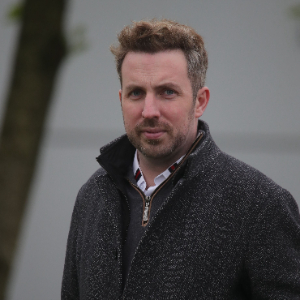
Geoffrey Moffett, Director of Triovia, puts it simply:
“The businesses that do well on social media are not always the ones with the biggest budgets. The winners understand their audience and create content that matters to them.”
Develop a content strategy
Good social media marketing is consistent and useful. It does not require expensive production. Simple video shot on a phone often works better than highly polished content.
A helpful approach is to create three to five key content themes that reflect your expertise and your audience’s interests. These themes keep content focused and purposeful.
Measure results properly
Social media success is not measured by likes or follower numbers. What matters is website traffic, leads, sales and customer retention. Modern platforms offer strong analytics that let businesses see what actually works.
Integrate social media into wider digital activity
Social media should support your website, SEO efforts, email list and paid advertising. When these pieces work together, performance improves across all channels.
Triovia specialises in building these integrated systems. We help UK businesses use social media as part of a complete digital strategy rather than treating it as a separate activity.
Get The Inside Scoop With 'Simply Digital'
Tired of the same old, same old? Every Monday morning, we’ll drop fresh takes on social media, content strategy, and digital marketing straight into your inbox—no fluff, just stuff that actually works!
We hate SPAM. We will never sell your information, for any reason.
Author