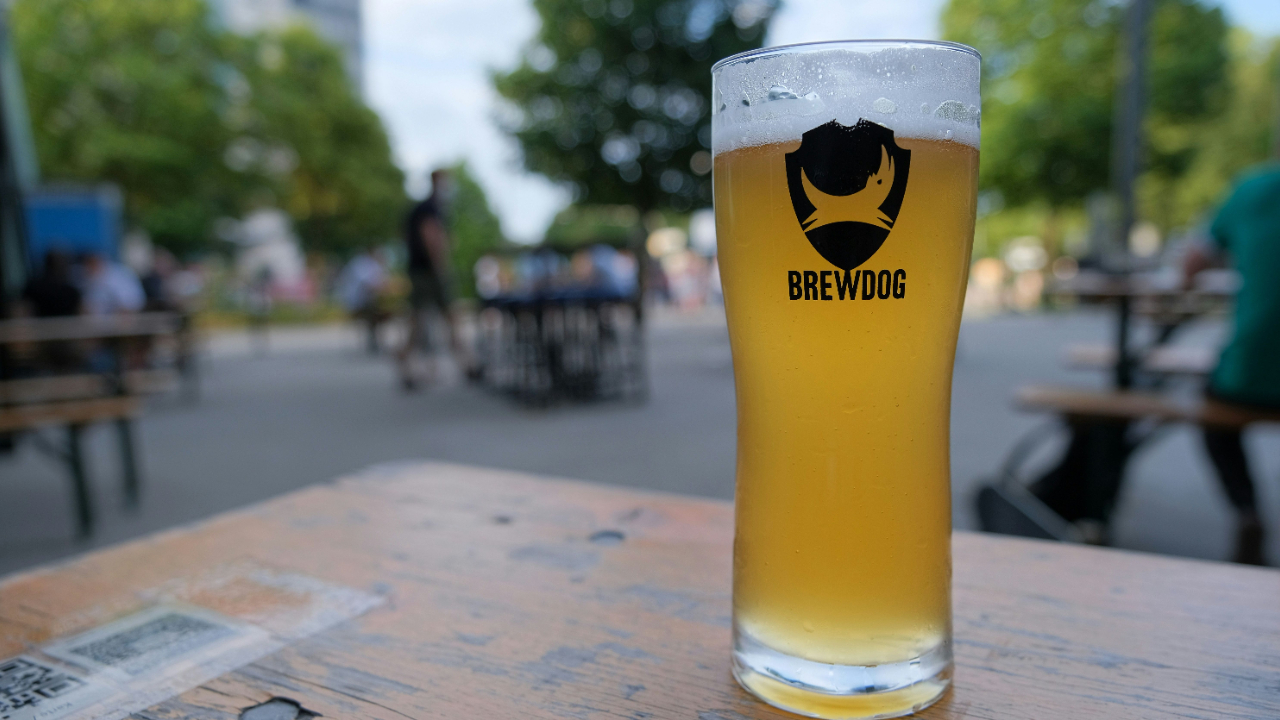
When news breaks that a once billion-pound brand is exploring a sale or restructuring, it’s tempting to treat it as gossip.
It’s more useful to treat it as a case study.
BrewDog didn’t just build a drinks business. It built a story. A movement. A personality-led brand that felt rebellious, loud, and different in a category that desperately needed shaking up.
That approach worked. For a long time.
But when a company is built almost entirely around one person’s persona, tone, and public presence, it creates a quiet risk most founders don’t think about until it’s too late.
The Hidden Cost of Founder-Led Branding
Personal brands are powerful. They cut through noise. They build trust quickly. They help early-stage businesses grow faster than faceless logos ever could.
But there’s a ceiling to how far they scale safely.
When your brand becomes inseparable from one individual:
-
Public controversy becomes a business risk
-
Personal burnout becomes a growth risk
-
Leadership change becomes a brand crisis
-
Investor confidence becomes fragile
-
Exit options become limited
Your company stops being a platform and starts being a personality.
That can work when things are calm. It becomes fragile when the spotlight turns harsh.
The Brands That Last Outgrow Their Founders
The strongest brands don’t disappear when founders step back.
They develop:
-
A clear point of view
-
A strong internal culture
-
A voice that is bigger than one person
-
A mission customers can believe in regardless of who is CEO
-
Systems that don’t rely on one personality to function
Think about the brands that feel stable over decades. They evolve leadership. They adapt tone. They survive leadership changes. Customers stay because the brand stands for something bigger than one individual.
That’s brand maturity.
The Founder Should Not Be the Product
Founders matter. Stories matter. Personality can be part of the marketing mix.
But the founder should never be the most interesting thing about the business.
Your product should be the story.
Your customer outcomes should be the story.
Your mission should be the story.
If the brand collapses the moment the founder steps back, that is not a strong brand. That is a dependency.
How to Build a Brand That Outlasts You
If you are building a business right now, especially in 2026 where personal branding is louder than ever, here’s the balance that scales:
-
Use your personal brand to open doors, not to hold the structure together
-
Build a brand voice that your team can carry forward without you
-
Document your values so they live beyond your personality
-
Invest in the product experience, not just your own visibility
-
Design systems that don’t require your presence to function
-
Let customers connect to the mission, not just the founder
Personal brand can be the spark.
Company brand is the engine.
The Long Game
Founder-led brands can grow fast.
Company-led brands grow far.
If your goal is to build something that lasts beyond your own energy, reputation, or availability, the goal is simple:
Build the company.
Let it speak for itself.
Your future team, customers, and potential buyers will thank you for it.