Food & Drink Influencers: A Smarter Way to Use Them in Your Hospitality Business
Apr 02, 2026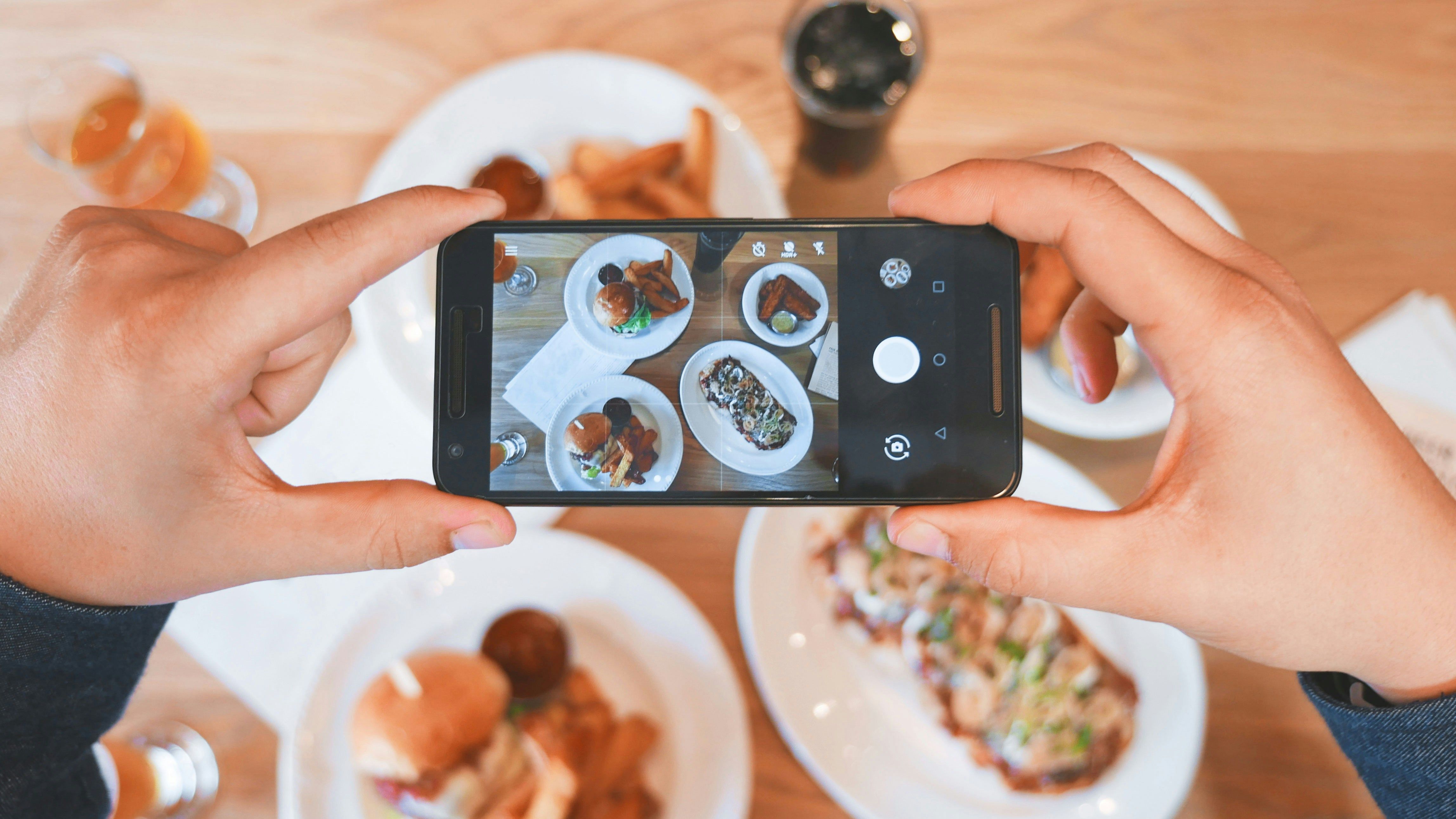
If you run a hospitality business today, you’re operating in a completely different landscape than even a few years ago.
People don’t just search for somewhere to eat. They discover it through content. A quick video, a review, a reaction. Influencers now sit right in the middle of that discovery journey, shaping perception and influencing decisions before a customer ever walks through your door.
Research consistently shows that people are more likely to trust recommendations from individuals they follow than traditional advertising, which is exactly why influencer marketing has become so effective.
But here’s the part most businesses miss.
Getting seen is one thing. Turning that attention into actual, repeatable growth is something else entirely.
Why Influencers Work So Well for Hospitality
From a digital marketing perspective, food and drink are perfectly suited to influencer content.
It’s visual. It’s emotional. It’s immediate.
When someone sees a dish, a drink, or an atmosphere presented in a way that feels relatable, it triggers intent. That’s not just theory. Studies show that influencer credibility and content attractiveness can directly influence whether someone chooses to visit a venue.
That’s why businesses see results like:
- increased footfall after a post
- more awareness in a short period
- stronger social proof
And that’s where many stop.
Because it feels like it’s working.
The Reality: You’re Part of Their Growth Strategy Too
Here’s the honest part.
Whether an influencer visits:
- as part of a paid collaboration
- or just walks in and reviews on their own
There is usually one consistent goal behind the content.
Growth for them.
Influencer marketing is built around attention. The more engagement a creator gets, the more their audience grows. And that applies whether the content is positive or negative.
That means your business can be:
- featured as a highlight
- or used as a talking point
Either way, it contributes to their visibility.
That’s not necessarily a problem. But it becomes one if you don’t have your own system to benefit from it.
Not All Influencers Are Built Around Food
Another key point that often gets overlooked is this.
Many influencers reviewing food didn’t build their audience around food.
They built it through:
- entertainment
- humour
- lifestyle content
Then added food reviews later.
That creates a disconnect.
Because:
- their audience may not be actively looking for places to eat
- their expectations may not align with your offering
- their reviews are often shaped by performance, not expertise
And in a space where content is driven by engagement, that matters.
The Trust Gap (And Why It Can Hurt Businesses)
Trust is everything in hospitality.
But influencer marketing is currently dealing with a credibility challenge.
If content feels inauthentic, it can damage both the creator and the business being promoted. Consumers are increasingly aware of this and are quick to question whether something is genuine or not.
At the same time, there are ongoing issues such as:
- fake followers
- inflated engagement
- misleading metrics
Fake audiences don’t just distort performance. They can lead businesses to invest in collaborations that deliver no real results.
There are also clear warning signs businesses should look for:
- high followers but low engagement
- repetitive or generic comments
- sudden spikes in growth
- audiences that don’t align with the niche
This is why relying on follower count alone is one of the biggest mistakes hospitality businesses make.
Where Most Businesses Get It Wrong
A lot of businesses approach influencer marketing in a very simple way.
They invite someone in.
They hope for a good post.
They wait to see what happens.
And that’s it.
No structure.
No follow-up.
No system.
So what happens next is predictable:
- the post gets views
- engagement happens briefly
- then everything disappears
From a digital marketing perspective, that’s not a strategy.
That’s a moment.
What a Smarter Approach Looks Like
The businesses that actually see long-term results approach this differently.
They don’t just aim for exposure. They build collaboration.
That means:
- aligning on the type of content being created
- ensuring the experience reflects the brand properly
- sharing or repurposing the content across their own platforms
- building ongoing relationships instead of one-off visits
Because when you collaborate properly, you turn one post into multiple touchpoints.
And that’s where momentum starts to build.
The Most Important Shift: From Attention to Ownership
This is where everything changes.
You do not own your social media audience.
Platforms control:
- reach
- visibility
- distribution
But you do own:
- your website
- your email list
- your customer data
And that’s where real growth happens.
Turning Influencer Traffic Into Something Valuable
When an influencer drives attention to your business, your job is not done.
It’s just beginning.
That attention needs to be redirected into something you control.
For example:
- a landing page linked to the campaign
- an email sign-up with a simple incentive
- a competition that captures customer details
- a booking system that tracks conversions
- a loyalty offer for first-time visitors
Because once someone moves from social media into your own system, you’ve shifted from borrowed attention to owned audience.
And owned audiences are what drive repeat business.
A Practical Framework for Hospitality Businesses
If you’re going to use influencers, keep it structured and simple.
Choose carefully
- focus on engagement, not followers
- check audience relevance
- prioritise authenticity
Collaborate properly
- agree expectations upfront
- shape the content
- think beyond one post
Capture the opportunity
- build your email list
- drive bookings through your system
- collect customer data
Measure what matters
- not views
- not likes
- but actual customer actions
Final Thought
Influencer marketing isn’t going anywhere.
It works because people trust people. It influences behaviour. And when used correctly, it can be a powerful growth channel for hospitality businesses.
But it is not the strategy.
It is one part of it.
Because visibility comes and goes.
What you build from that visibility is what actually grows your business.
Get The Inside Scoop With 'Simply Digital'
Tired of the same old, same old? Every Monday morning, we’ll drop fresh takes on social media, content strategy, and digital marketing straight into your inbox—no fluff, just stuff that actually works!
We hate SPAM. We will never sell your information, for any reason.
Author